

ENERGY SAFETY GROUP: SMR COMPACTNESS DOES NOT REDUCE SAFETY REQUIREMENTS
The resilience of states in the face of today’s security challenges increasingly depends on the energy sector’s ability to ensure the reliability, flexibility, and independence of energy systems. This is why the transformation of the energy sector is no longer just a matter of technological development, but a core element of national security.
In this context, small modular reactors (SMRs) are seen as a key direction for nuclear energy development. They combine compactness, flexibility, and scalability, enabling faster integration into existing energy systems and reducing dependence on large-scale generation assets and fossil fuel imports.
SMRs offer several advantages compared to conventional reactors. A defining feature is their modularity, which involves factory fabrication of key components followed by on-site assembly. This approach increases standardization, shortens project timelines, and reduces construction-related risks.
Modularity also allows for the incremental deployment of capacity, aligning investments with actual system needs, and provides greater flexibility in site selection and integration scenarios. Combined with lower infrastructure requirements, this opens up broader opportunities for SMR deployment, which is particularly relevant for Ukraine. More details on SMR advantages and Ukraine’s entry into the SMR ecosystem can be found in our full article here.
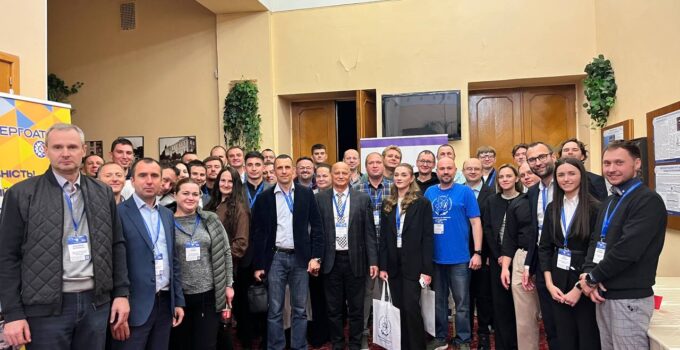
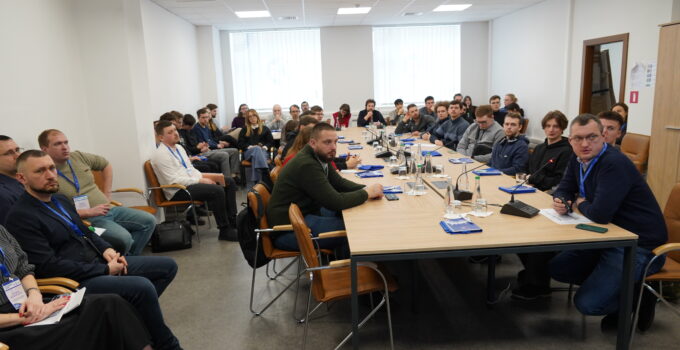
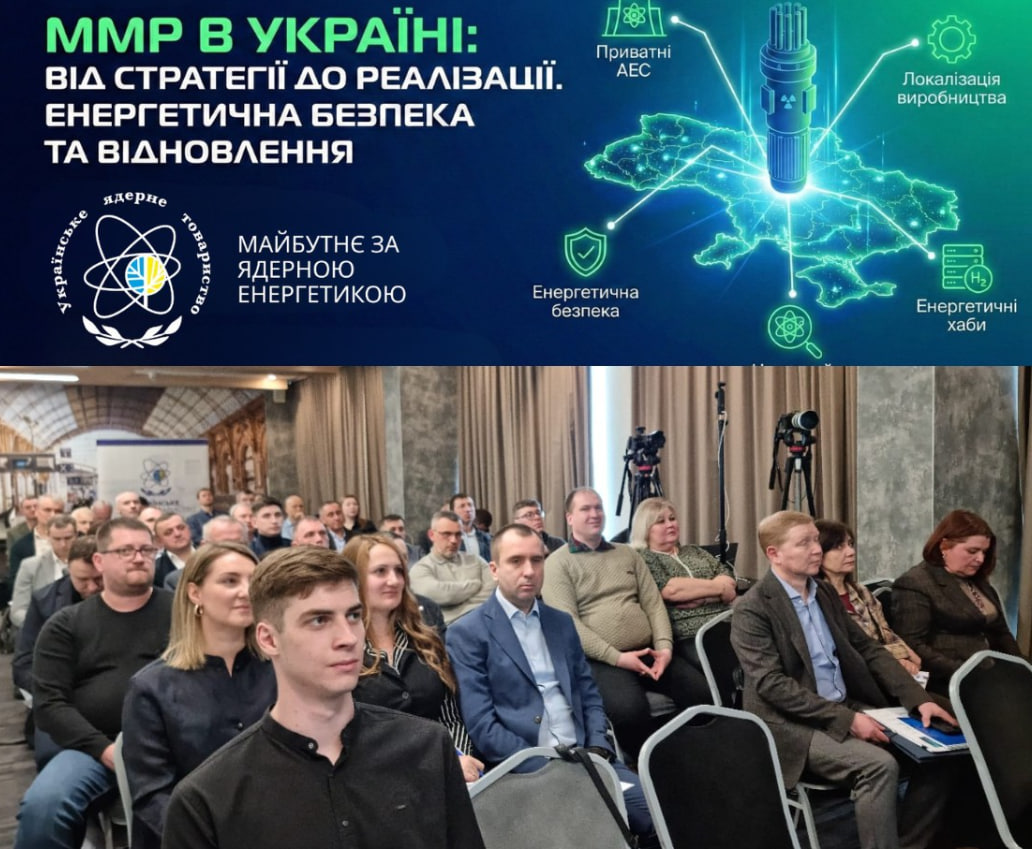
These topics were discussed during the roundtable «SMRs in Ukraine: from strategy to implementation of energy security and recovery», organized by the Ukrainian Nuclear Society with the support of Affiliate «SS «Atomprojectengineering» SE «NNEGC «Energoatom». The event brought together key industry experts to address practical challenges in deploying advanced nuclear technologies in Ukraine.
Energy Safety Group was represented by Lead Engineer Vita Shpiller. In her presentation, «From Large Power Units to Small Modular Reactors: Safety Justification and Licensing», she focused on the practical aspects of transitioning to SMRs.
«SMR compactness may create an impression of simplicity, but from an engineering perspective, these are equally complex systems. They require full-scale development of safety analysis reports and the entire spectrum of advanced calculations», Vita Shpiller emphasized.
She also highlighted the importance of leveraging international experience, particularly from EU countries, to adapt Ukrainian regulatory frameworks. Energy Safety Group already possesses the relevant expertise in large-scale power units, including advanced analytical capabilities supported by specialized software, enabling the company to support such projects throughout all stages of the lifecycle.
Participants of the discussion concluded that engaging an experienced engineering partner is a critical factor for successfully passing state expertise in nuclear and radiation safety, licensing, and ensuring the safe implementation of SMRs in Ukraine.
Participation in such professional discussions contributes to building a practical foundation for future projects and confirms Energy Safety Group’s ability to deliver in line with international standards and national safety requirements.