

ENERGY SAFETY GROUP IS UPGRADING THE PARTIAL DISCHARGE EARLY DETECTION SYSTEM FOR THE KOZLODUY NPP
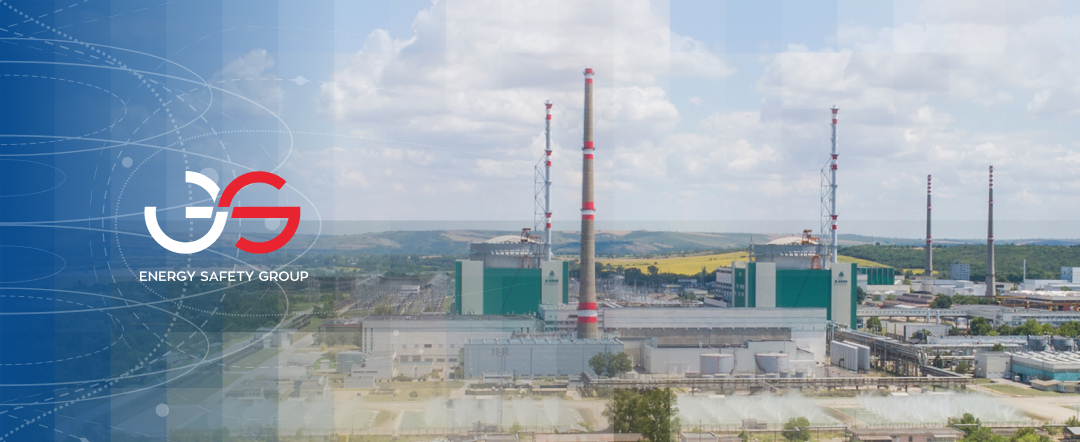
Energy Safety Group is implementing a project of modernisation of the radio-frequency analysis system for the early detection of partial discharges in the 9(10)GQ generator and the 24 kV power line at the Kozloduy NPP (Bulgaria). This new phase of cooperation involves updating approaches to the early diagnosis of the condition of high-voltage equipment, which is critical for the stable and safe operation of the NPP’s generation systems.
The basis for launching the project was the technical implementation framework prepared by the Energy Safety Group team, which covers the work programme, the concept for implementing technical measures, the software architecture, the scope of supply and the timeframe for carrying out the work. It was the quality of these solutions that confirmed the company’s approach met the client’s technical and qualification expectations.
The project focuses on improving the accuracy of early detection of partial discharges — one of the key indicators of potential deterioration in the condition of generator and high-voltage equipment. Timely diagnosis of such processes allows risks to be identified in advance, operational reliability to be maintained, and the likelihood of unscheduled outages to be minimised.
«For us, this project is about engineering predictability. When working with critical high-voltage equipment, the early detection of even the slightest deviations is the foundation of stable and safe operation. That is why we approach the modernisation of such systems not as a local technical upgrade, but as a means of enhancing the long-term reliability of the power unit through accurate diagnostics, standardised processes and proactive solutions», СЕО Energy Safety Group Vadym Ivanov.
The project for Kozloduy NPP marks another step in the development of Energy Safety Group international portfolio and confirms the company’s expertise in the modernisation of technical diagnostic systems for VVER-type power plants. It also reinforces the company’s positioning as a high standard engineering partner for critical infrastructure in Europe.